OSSTEC raises $8 million to fund first US human trials of 3D-printed ASCENT knee implant
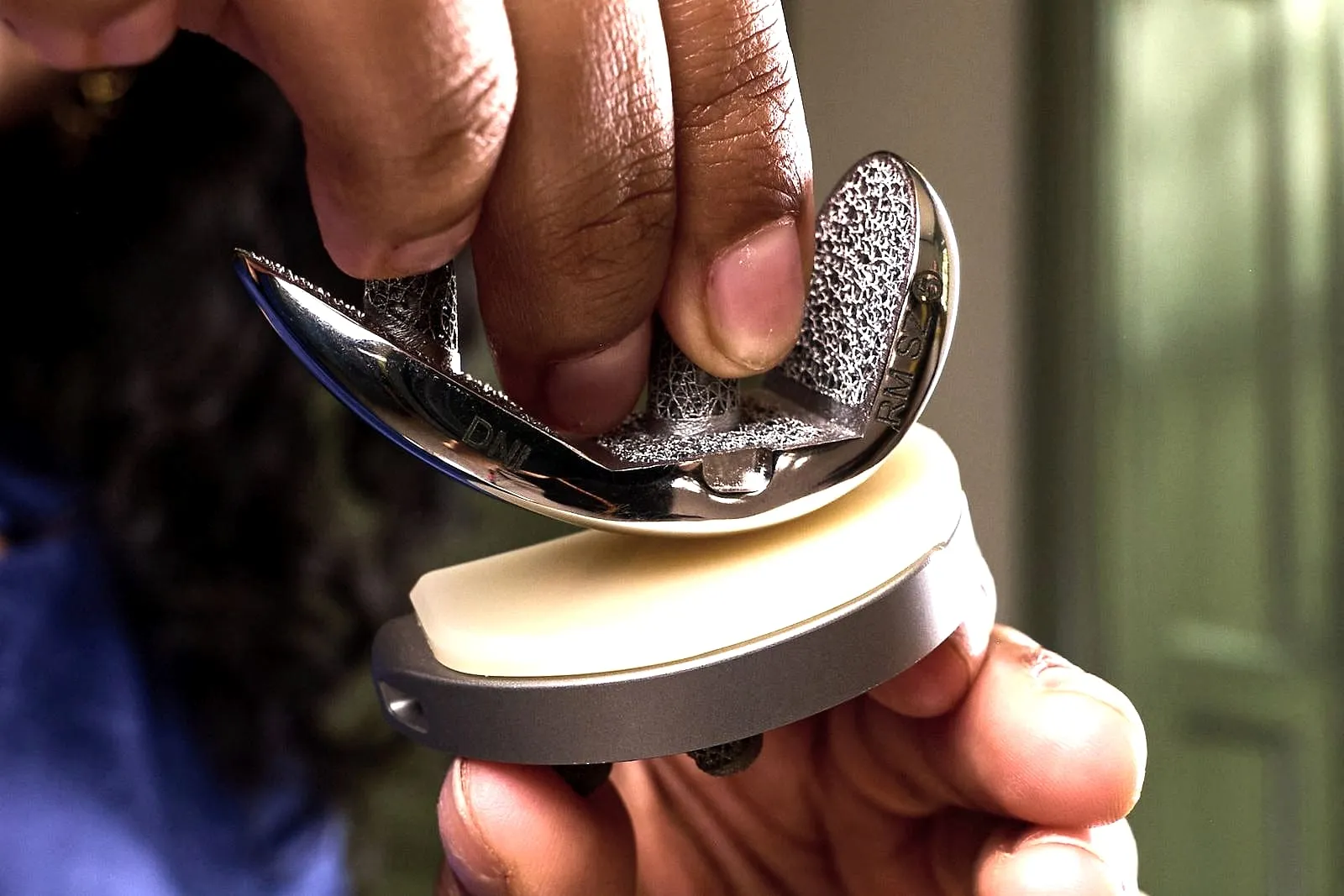
Orthopaedic company OSSTEC has raised $8 million to fund the first in-human US surgical cases of its 3D-printed ASCENT fixed-bearing partial knee system, the company announced November 9, 2026. The round was led by EMBRYO Ventures, with Neovate Capital, New Wave Ventures, Oxford Technology Innovation Finance and Empirical Ventures also participating.
The money is meant to carry ASCENT and its CLARITY instrumentation through FDA clearance to first-in-human procedures in the US, targeted for the first half of 2027. It also funds training of OSSTEC’s surgeon faculty at partial knee centres, following the company’s US operations setup earlier this year.
ASCENT is built on a 3D-printed biomimetic fixation platform that OSSTEC says draws on more than a decade of research into implant fixation and osseointegration, designed to achieve biological fixation without bone cement. The company is already working on a pipeline of other cementless applications beyond partial knee replacement and looking at integration with robotic surgery platforms, though none of those are detailed with dates or figures.
OSSTEC frames the market opportunity around a gap: it says roughly half of knee replacement patients are suitable candidates for a partial knee, a bone-preserving procedure with faster recovery than a full replacement, yet only about 10% currently receive one. Cement adds time and complexity in the operating room, and the company argues that cementless fixation cuts the risk of implant loosening, a leading cause of revision surgery, which could widen the pool of patients considered active enough for the procedure.
OSSTEC founder and CEO Max Munford said the financing moves the company’s “focus from preparation to patients.” No valuation, prior funding total, or specific trial patient count was disclosed.